Business Systems
When Does a Business Actually Need a Custom CRM?
A custom CRM becomes useful when the way your business operates can no longer be managed reliably through disconnected tools, spreadsheets, and manual follow-ups.
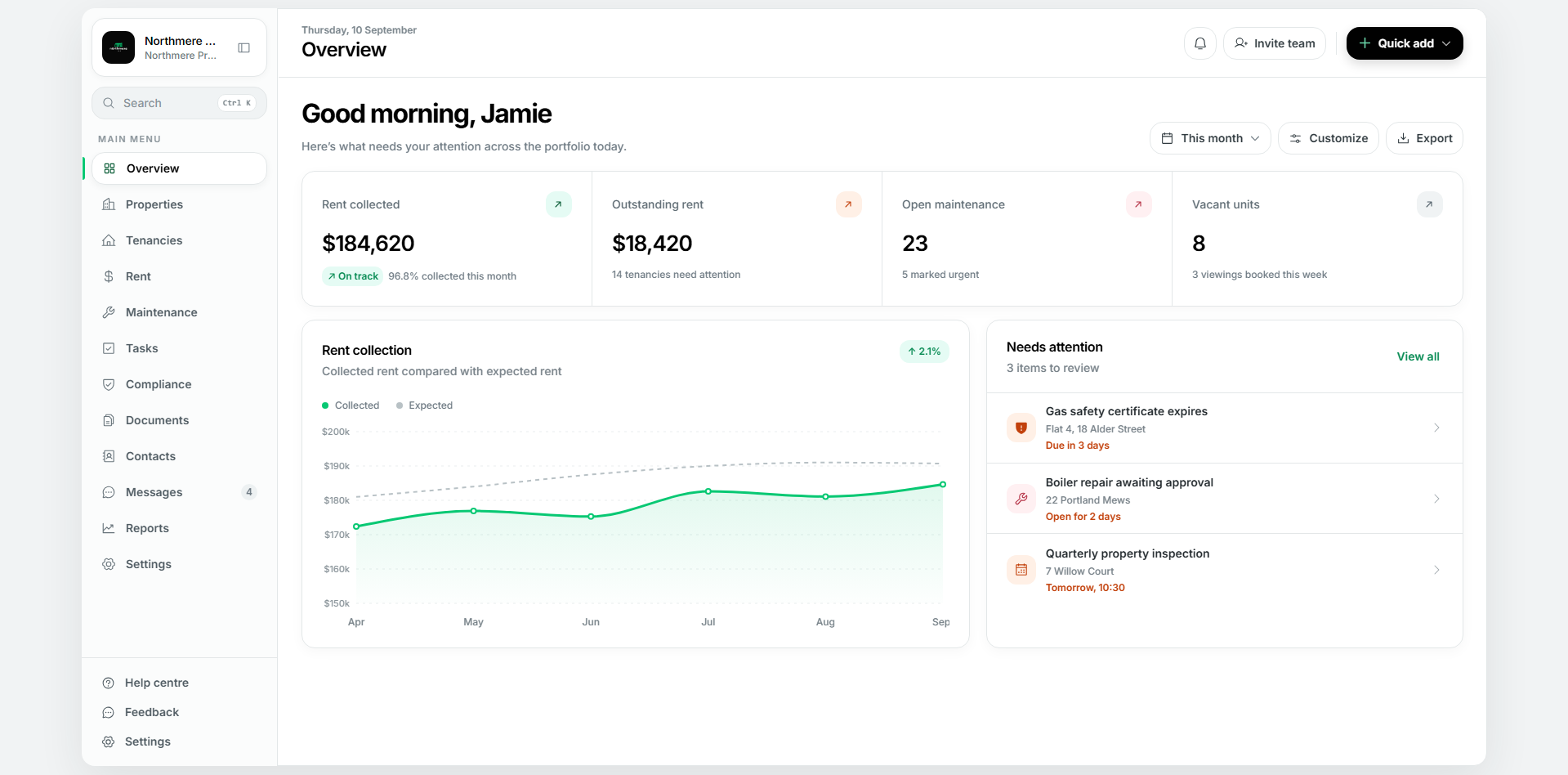
A CRM is not only for large companies
Company size alone does not determine whether a CRM is useful. What matters more is operational complexity. A relatively small team may still manage hundreds of clients, properties, applications, transactions, or recurring follow-ups.
If important information is spread across spreadsheets, inboxes, messaging apps, and individual team members, the business may already have a coordination problem that a CRM can help solve.
Signs your current setup is becoming insufficient
- Customer information is duplicated across several files.
- Follow-ups depend on someone remembering to send them.
- Team members cannot easily see the current status of a customer or project.
- Reports require manually combining information from different sources.
- New staff need a long explanation of where information is stored.
- The business has workflows that generic software does not represent properly.
When ready-made CRM software is enough
A custom system is not always the right first step. Ready-made software can be a better choice when your process is fairly standard, your team can work comfortably within the available features, and the subscription remains reasonable for the number of users you have.
Existing platforms can also help a business understand which features it genuinely uses before investing in something purpose-built.
When custom development becomes worth considering
Custom development becomes more reasonable when your workflows are specific to your organization, several tools need to be connected, or staff spend significant time working around the limitations of existing software.
A custom CRM can centralize records, permissions, tasks, communications, documents, reports, and other agreed workflows. It should be designed around a clear operational problem rather than built simply because custom software sounds more advanced.
Start with the workflow, not the feature list
Before requesting a CRM, document how work currently moves through the business. Identify who performs each step, what information they need, where delays happen, and which tasks are repeated manually.
That process creates a much stronger foundation for deciding whether to improve an existing tool, connect several services, or build a custom system.
Discuss a business system